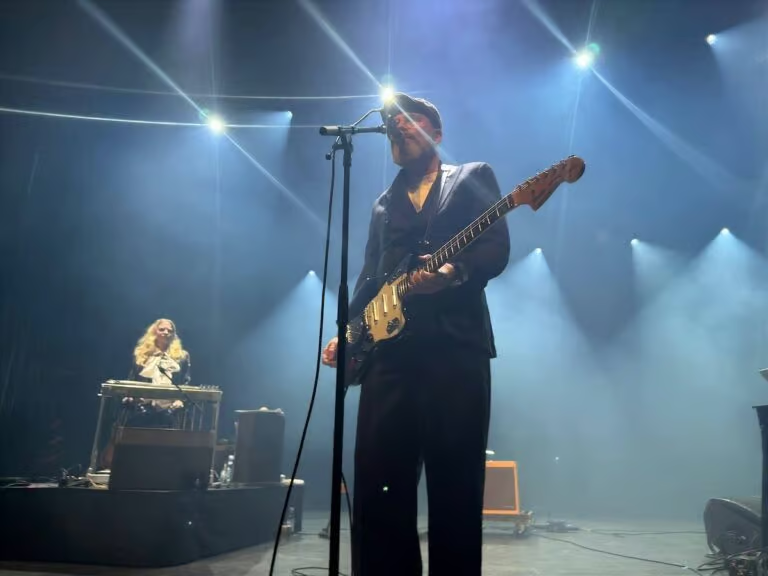
In many ways, Mikael Simpson embodies the myth of the urban flâneur, misanthrope and philosopher. Alienated, yet somehow at home. Casting a dark eye over his surroundings, the people who inhabit them and the atmospheres they create.
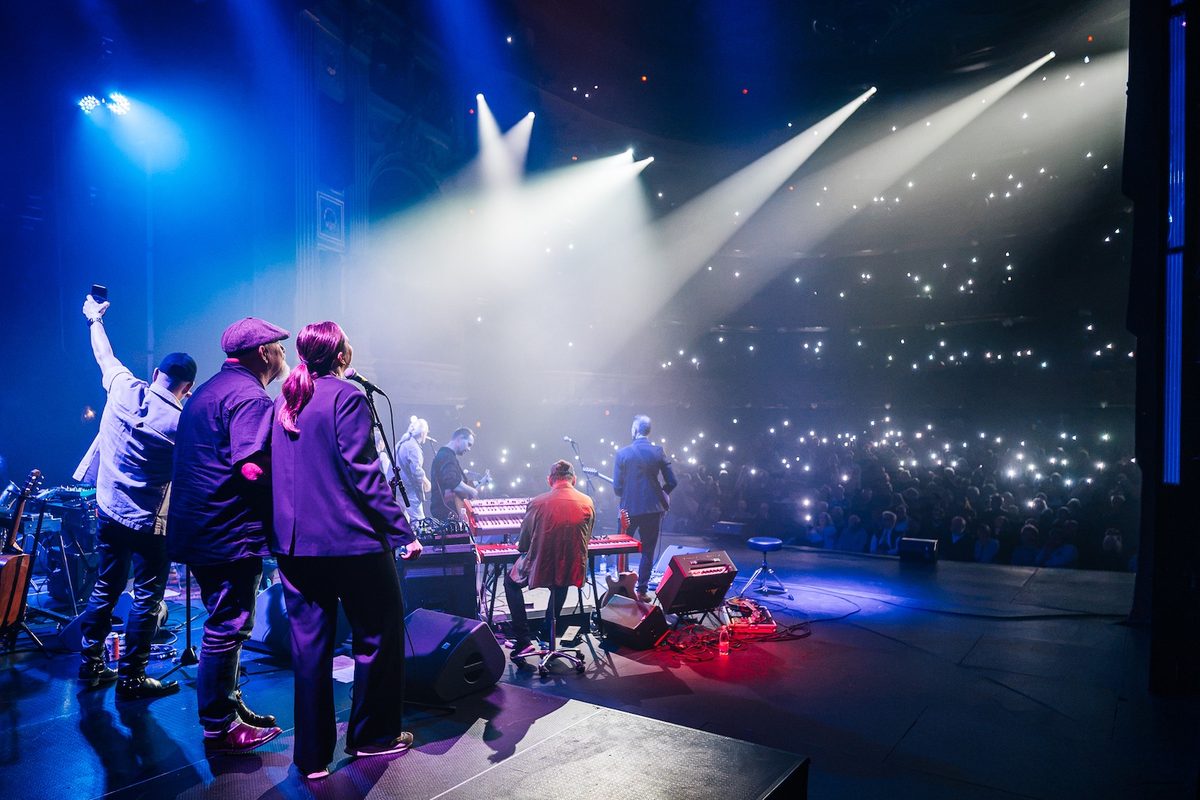
A tower of insights, experiences and opinions
Art in all forms. That is what we are all about - and now you can join our world. We need you - and we believe you need us too. Let us share dreams and visions!
Yet beneath that bleak outlook lies a genuine tenderness towards the very things he finds difficult to live with. The things that make existence complicated, sometimes unbearably dark.
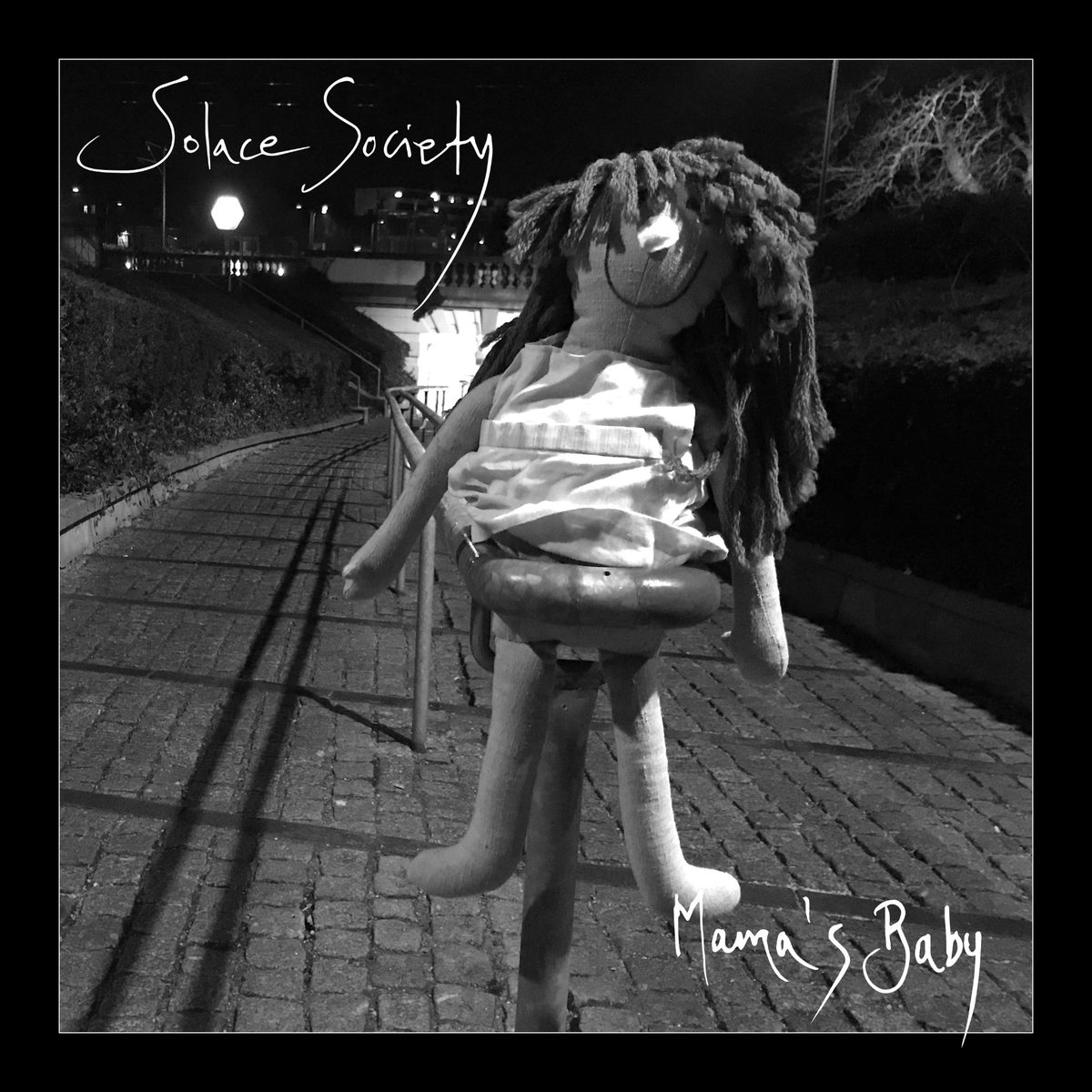
Who the *?#% is this band? 1st single, apparently: Mama's Baby!
The album in physical form can be purchased solely at vinyl store Beat, Enghave Plads, Copenhagen.
But light breaks through. In the cracks, in black humour, irony and poetic paradoxes.
Simpson turns familiar expressions, sayings and patterns of behaviour inside out. The conventions of everyday life and the past, still practised almost unconsciously, become material for his lyrical explorations. He challenges them, raising smiles, provoking reflection and breathing new life into the clichés and habits of urban culture.
Ironically, Simpson was born and raised in Holstebro, a provincial Danish town. Another exception to the assumption that the most interesting artists emerge from major cities.
His breakthrough came with the solo album Stille og uroligt (2006). His musical territory was indietronica, a genre he effectively made his own within Denmark.
A Diverse and Selective Musical Track Record
Simpson began his career in the 1990s as guitarist with the band Luksus before making his solo debut in 2002. By Friday 13 November 2026, he had released five solo albums, the most recent appearing in 2011.
In other words, a fifteen-year gap.
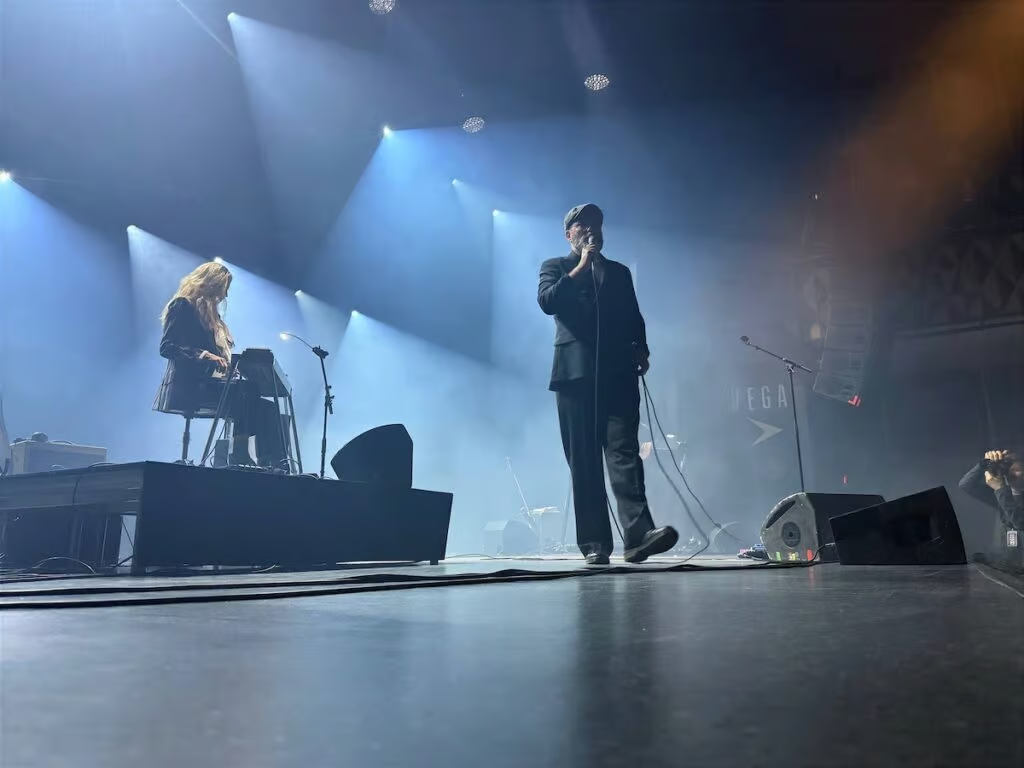
Remarkable. Equally fascinating, and rather reassuring for anyone who believes in a certain kind of musical justice, is the fact that he has returned so convincingly, with impeccable timing.
Two sold-out concerts at Store Vega in Copenhagen, coinciding with the release of his new album on Friday the 13th. Surely a deliberate choice.
Internationally, Simpson has also performed with Trentemøller at concerts featuring Pet Shop Boys and Depeche Mode
Since 2002, Simpson has also composed music for Danish films and collaborated with other artists, including Trentemøller. He never truly unplugged during those intervening years. We simply had to wait fifteen years for another solo album.
Now Æterdrøm has finally arrived, and it will be fascinating to explore the record in its entirety.
Internationally, Simpson has also performed with Trentemøller at concerts featuring Pet Shop Boys and Depeche Mode. His CV includes collaborations with Jørgen Leth and Frithjof Toksvig.
And judging by this evening’s concert, the years have done little to diminish his artistic presence.
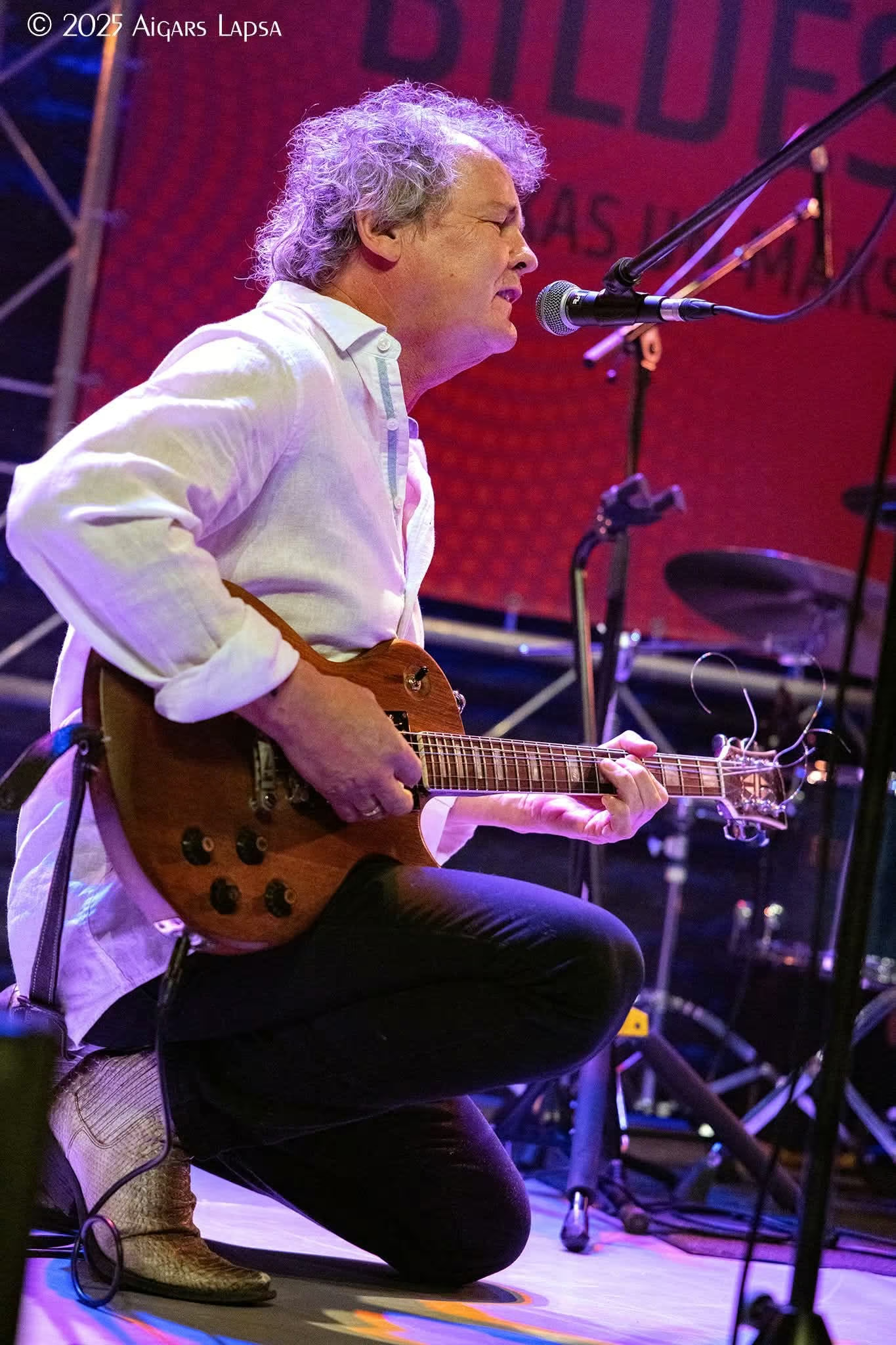
One unexpected pleasure was discovering just how beautifully Simpson handles an electric guitar, using phaser and reverb to create passages reminiscent of Pink Floyd’s The Dark Side of the Moon and Animals, even though his overall musical expression occupies quite different territory.
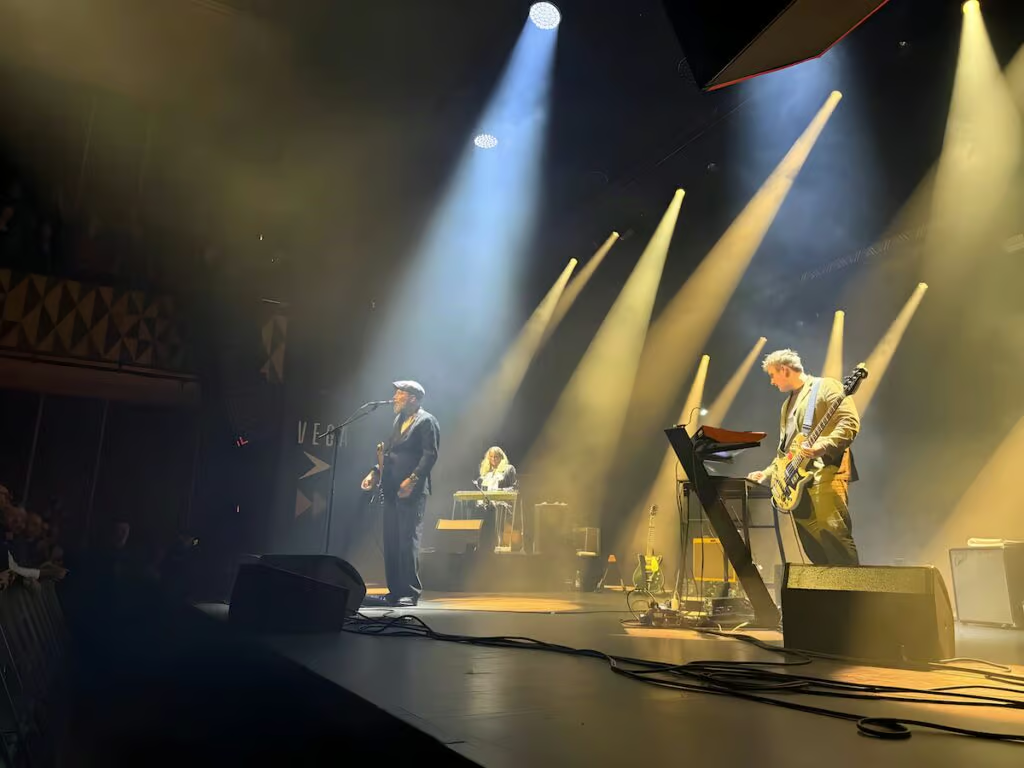
Then there was the harmonica. Played with genuine feeling and a glowing intensity. An unexpected bonus, and a delightful one.
Mirabelles, Green Pigs and Charismatic Nonchalance
Throughout the evening, Simpson offered brief remarks between songs.
Go With Peace Mirabelle had originally been scheduled as the support act but were forced to withdraw at short notice because of illness. No replacement could be arranged, leaving the headliner and organisers to improvise.
“I was sitting backstage shitting green pigs while trying to put together a playlist,” Simpson explained, borrowing a wonderfully absurd Danish expression to describe his predicament.
The playlist never quite materialised, and the audience had to wait an hour without a support act.
We survived.
Simpson belongs on a stage, and the stage seems equally comfortable with him.
There is a natural nonchalance about the man, but nothing careless or unfocused. Quite the opposite. It is simply who he is. His movements, hand gestures, handling of instruments, vocals and body language all communicate the same effortless ease. Relaxed, entirely in his element, like a fish enjoying its own waters.
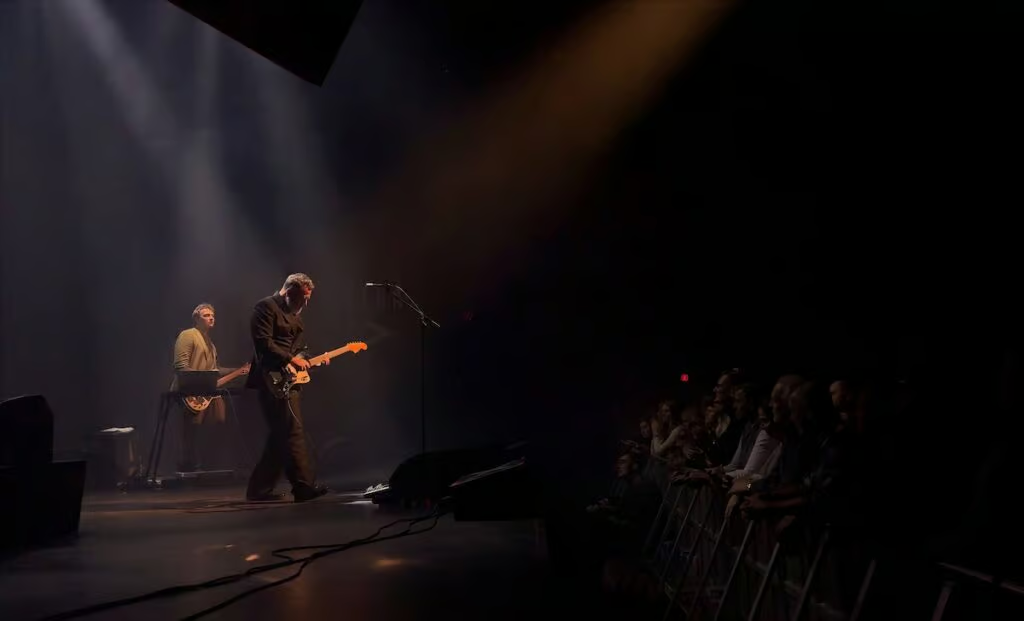
He radiates calm and confidence in his words and sound. Nothing feels forced. In short, Simpson possesses a quietly sympathetic authority, the assurance of someone entirely comfortable in his own skin.
And this despite lyrics and narratives that pull in multiple directions, towards the troubled, the alienated and the contradictory.
That is precisely the territory in which Simpson excels: an intersection of lyrical ambiguity, emotional complexity and carefully constructed soundscapes.
Especially live.
Expressions, Conventions and Clichés Through the Simpson Centrifuge
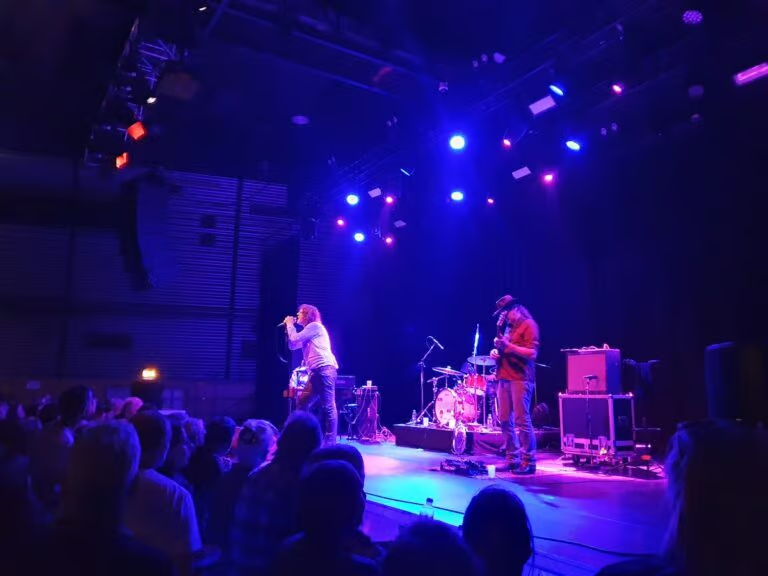
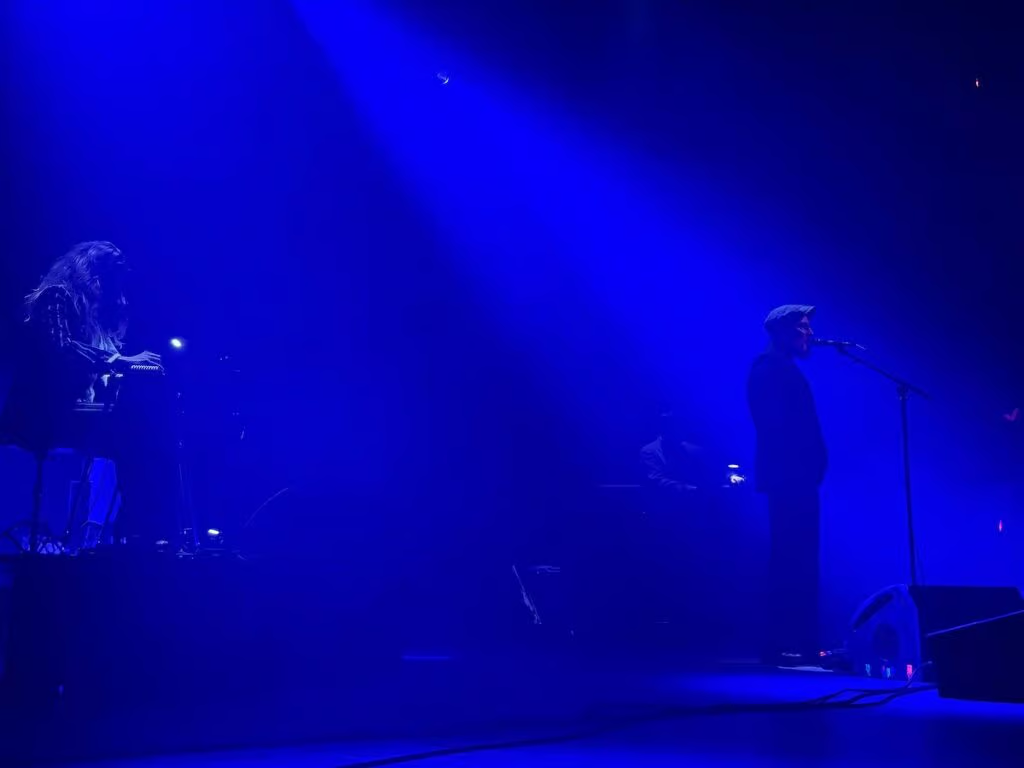
There are only three musicians on stage.
Pedal steel, bass and grooves. Simpson occasionally picks up his guitar. Otherwise, it is all about words and gentle refrains.
Words worth listening to.
Du drømmer om et andet sted
Jeg har ikke styr på lortet.
Jeg har lort på styret.
Gode dyr er rådne.
Du er små smuk, jeg falder i.
Ved ik besked.
Hva så med i morgen?
Nej tak for i aften.
And so it goes.
One-liners fired into the room, or gently slipped into the musical current.
Simpson’s lyrical sack is filled to the brim with words, stock phrases and familiar sayings, all turned upside down or inside out in pursuit of a punchline, a paradox or a new perspective.
Simpson writes and sings in his native Danish. He always has.
Could anyone seriously imagine Nikolaj Nørlund or Povl Dissing singing in English? What about Gasolin’ or tv·2?
Hardly.
In Simpson’s case, however, it is not difficult to imagine his musical expression working in English. Some of the specifically Danish idioms would undoubtedly require substitution or reinvention, and perhaps too much would be lost in translation.
The Art of Staying Cool
There is a fascinating contradiction at the heart of Mikael Simpson’s live performance. His songs rarely offer much peace of mind. His presence on stage suggests he has found plenty of it.
The lyrics circle around uncertainty, alienation and the emotional contradictions of modern life. There is restlessness beneath the surface, an unease that never quite disappears.
Yet Simpson delivers it all with an almost disarming calm.

He does not dramatise the darkness or attempt to turn vulnerability into spectacle. Instead, he allows the songs to carry their own emotional weight, moving through their contradictions with the quiet assurance of someone who has long since accepted that life rarely makes complete sense.
Musically, the performance shifts between understated electronic grooves, gentle melodic refrains and passages that gradually open into something more atmospheric and expansive.
The arrangements create their own sense of movement. Intimacy gives way to space, restraint to release, while the underlying melancholy remains remarkably consistent.
Instead, Simpson reaches for his harmonica.
What follows is a beautifully elegiac solo, warm, measured and almost conversational in its phrasing
It is precisely this balance that makes Simpson such a distinctive performer. The music may be restless, but the man at its centre never seems to lose his footing.
Cool, in Simpson’s universe, is not a pose. It is a way of being.
One Last Song Before Sleep
And then, inevitably, the evening approaches its final moments.
For the last encore, Simpson chooses Lige inden du falder i søvn.
The song settles into the same effortless swing that has characterised much of the concert. There is no attempt to manufacture a grand finale, no sudden escalation designed to leave the audience overwhelmed.
Instead, Simpson reaches for his harmonica.
What follows is a beautifully elegiac solo, warm, measured and almost conversational in its phrasing. The melody unfolds without hurry, allowing each note its own space before the final tone lingers briefly in the air.
And with that, the concert is over.
Earlier, Simpson has offered a farewell announcement that could hardly have come from anyone else:
“Now you’ll get one last encore. After that, I’ll sign two autographs and go home.”
It is a wonderfully economical piece of stagecraft, if stagecraft is even the right word. No theatrical gratitude. No carefully rehearsed speech about returning after years away. Just a dry, affectionate remark from a man in a grey suit and matching flat cap.
The humour works because it feels entirely unforced. And because there is every reason to believe he means exactly what he says.
Fifteen years have passed since Mikael Simpson last released a solo album.
In the meantime, the music industry has reinvented itself repeatedly. Streaming has transformed listening habits, social media has turned visibility into a form of currency, and artists are increasingly expected to maintain a continuous public presence.
Simpson seems almost magnificently indifferent to those demands.
He has not reinvented himself to accommodate a changing world. He has simply returned to it, carrying the same contradictions
His music still inhabits that peculiar space between electronic melancholy, urban solitude and understated pop sophistication. His performances still rely on the strength of the songs rather than the spectacle surrounding them.
And his relationship with the audience remains refreshingly free of unnecessary ceremony. Perhaps that is what makes his return feel so convincing.
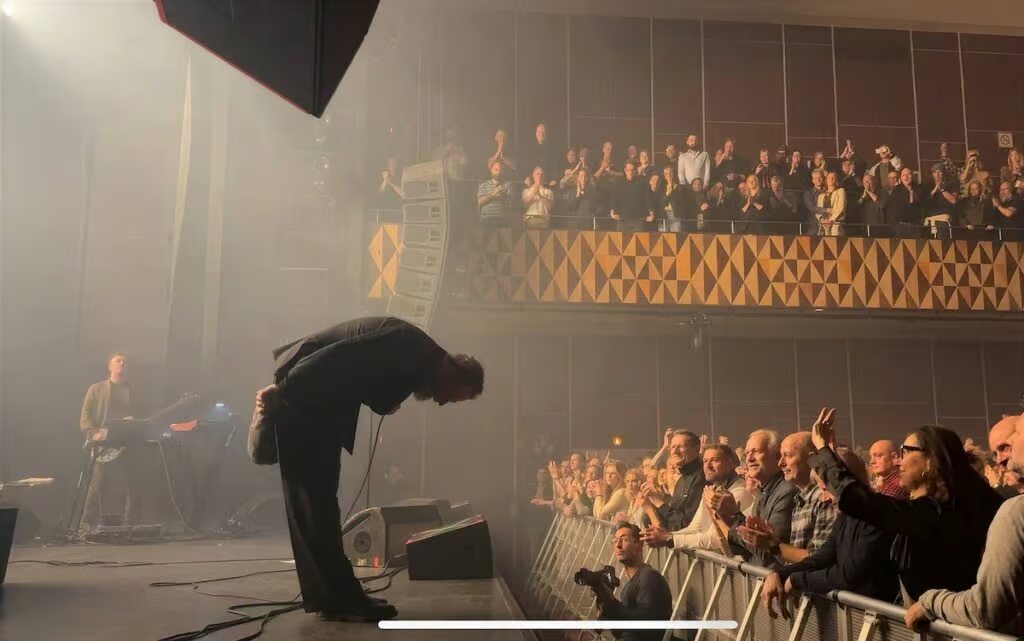
He has not reinvented himself to accommodate a changing world. He has simply returned to it, carrying the same contradictions, the same musical curiosity and the same unmistakable sense of self.
In an industry increasingly obsessed with reinvention, Mikael Simpson offers a different proposition: artistic identity does not always need to be reconstructed. Sometimes it simply needs to endure.
Welcome back, Mr Cool.